Ireland is known around the world for its warm hospitality, rich traditions, lively music, and vibrant celebrations. At the heart of all these elements lies one of the most important aspects of Irish life: festivals.
From ancient seasonal gatherings to modern music and cultural events, festivals have always played a central role in Irish society. They are much more than entertainment. Festivals preserve traditions, strengthen communities, celebrate identity, and create lasting memories for both locals and visitors.
Whether you are attending a traditional music festival in a rural village, celebrating St. Patrick’s Day in Dublin, or enjoying an interactive cultural experience like The Irish Dance Party, festivals provide a unique window into the spirit of Ireland.
The Historical Importance of Festivals in Ireland
The importance of festivals in Irish culture stretches back thousands of years.
Long before modern Ireland existed, Celtic communities gathered to mark important points in the calendar year. Seasonal festivals such as Samhain, Imbolc, Bealtaine, and Lughnasa celebrated changes in nature, harvest cycles, and community life.
These gatherings were opportunities for people to:
- Share stories
- Celebrate achievements
- Exchange goods
- Strengthen social bonds
- Enjoy music and dancing
Many of these traditions have evolved over time, but their influence can still be seen throughout Ireland today.
Modern Irish festivals continue the same fundamental purpose: bringing people together to celebrate shared heritage and community.
Festivals Keep Irish Traditions Alive
One of the greatest contributions festivals make to Irish culture is preserving traditions.
Every generation faces the challenge of passing cultural knowledge to the next. Festivals create a living environment where traditions are not simply remembered—they are experienced.
Visitors can witness:
- Traditional Irish music performances
- Irish dancing
- Storytelling sessions
- Gaelic sports demonstrations
- Traditional crafts
- Irish language events
Instead of learning about Irish culture from a textbook, people can immerse themselves in it firsthand.
This active participation helps ensure that centuries-old customs continue to thrive in modern Ireland.
Music and Dance Are at the Heart of Irish Festivals
Few cultures are as closely associated with music and dance as Ireland.
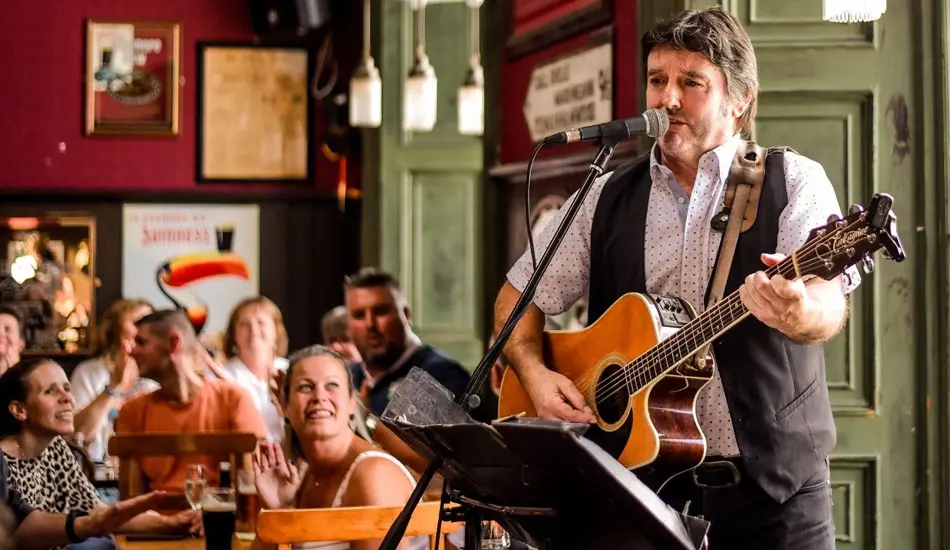
Traditional Irish music remains one of the country’s most treasured cultural assets. The sounds of fiddles, bodhráns, tin whistles, uilleann pipes, and guitars can be heard at festivals throughout the year.
Irish dance is equally important.
What makes Irish dance special is that it is both a performance art and a social activity. Historically, dancing brought communities together and created opportunities for celebration and connection.
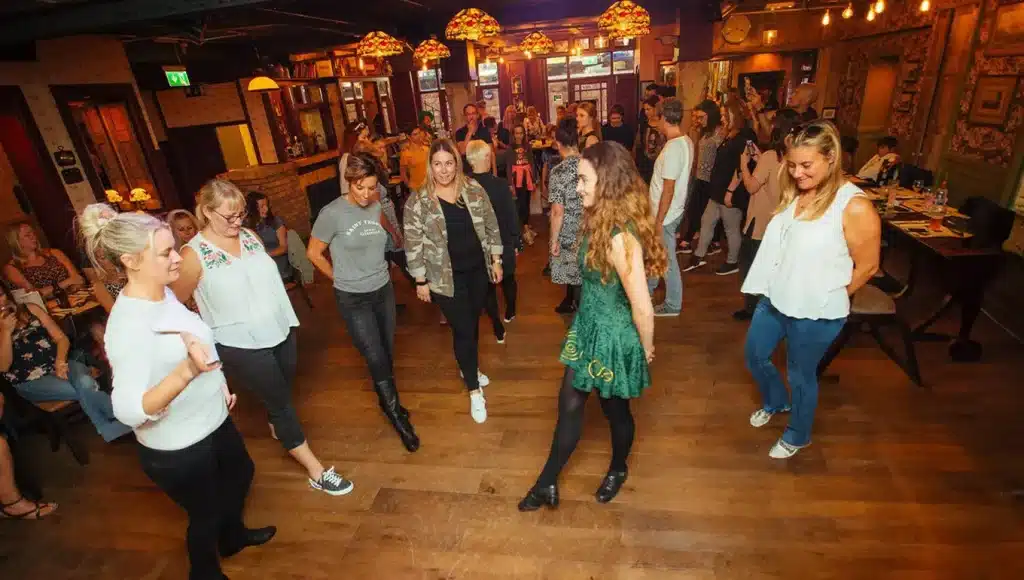
Festivals continue this tradition today by showcasing professional performers while also encouraging audience participation.
This combination of entertainment and interaction creates an atmosphere that is uniquely Irish.
Festivals Strengthen Community Connections
Community has always been a defining feature of Irish culture.
Ireland’s towns, villages, and neighborhoods have traditionally relied on strong social connections. Festivals help maintain those connections by providing opportunities for people to gather and celebrate together.
These events bring together:
- Families
- Friends
- Neighbors
- Local businesses
- Artists
- Musicians
- Visitors
In a world that often feels increasingly digital and disconnected, festivals create genuine face-to-face interactions.
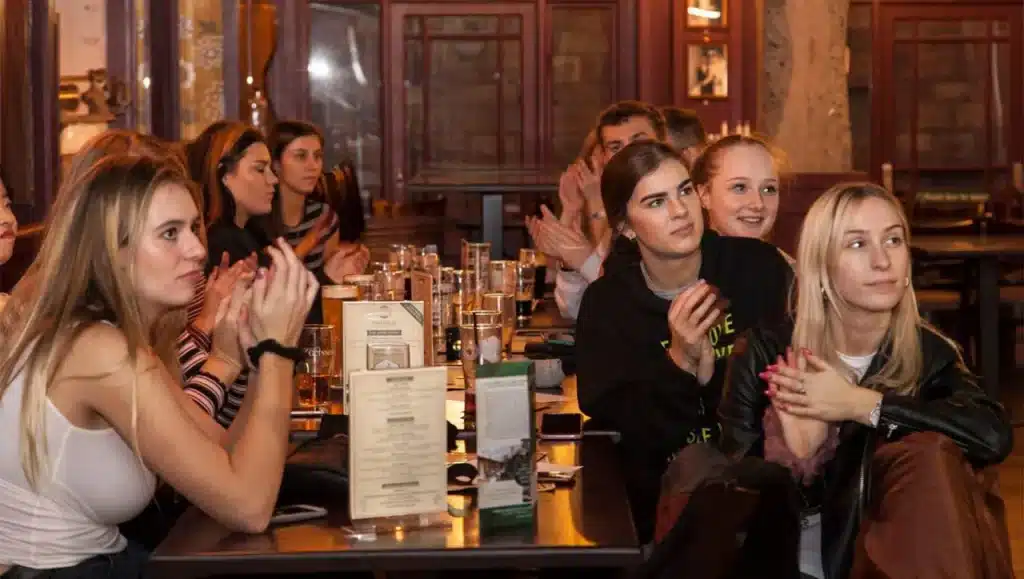
People laugh together, dance together, sing together, and share experiences that strengthen community bonds.
This sense of belonging is one reason festivals remain so important across Ireland today.
Festivals Showcase Regional Irish Culture
Ireland may be a relatively small country, but its regions each have unique traditions and identities.
Festivals provide an opportunity for local communities to showcase what makes their area special.
Different regions celebrate:
- Distinct musical styles
- Local foods and beverages
- Historical traditions
- Folklore and legends
- Unique cultural customs
This diversity helps preserve local heritage while contributing to Ireland’s broader cultural identity.
Visitors often discover that every Irish town has its own story to tell, and festivals provide the perfect stage for those stories.
Why Visitors Love Irish Festivals
For tourists, festivals offer one of the most authentic ways to experience Ireland.
Many travelers arrive hoping to discover the “real Ireland” beyond guidebooks and tourist attractions.
Festivals make that possible.
Instead of simply observing Irish culture, visitors become part of it.
They can:
- Join traditional dances
- Sing along to Irish songs
- Meet local performers
- Learn about Irish history
- Experience Irish hospitality firsthand
These immersive experiences often become the most memorable part of a trip to Ireland.
The Irish Dance Party: Bringing Festival Spirit to Dublin
Not every visitor can attend a major Irish festival during their trip. Fortunately, some experiences capture the same spirit of celebration year-round.
One excellent example is The Irish Dance Party in Dublin.
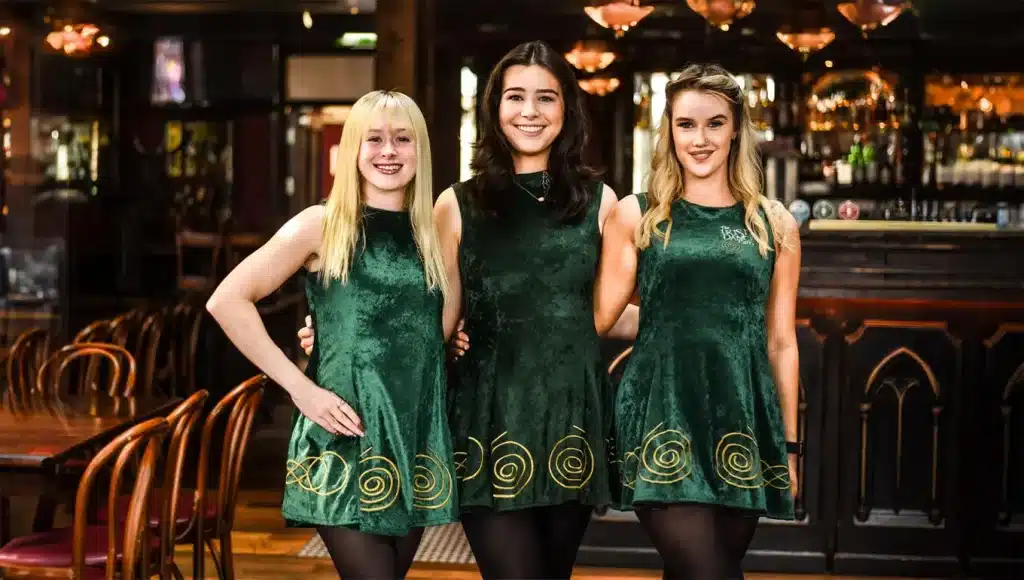
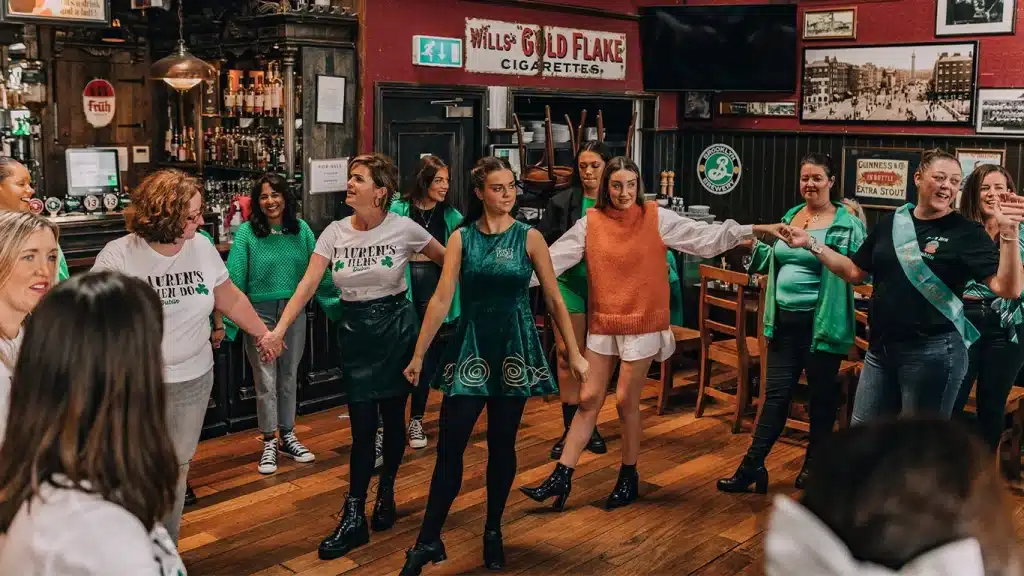
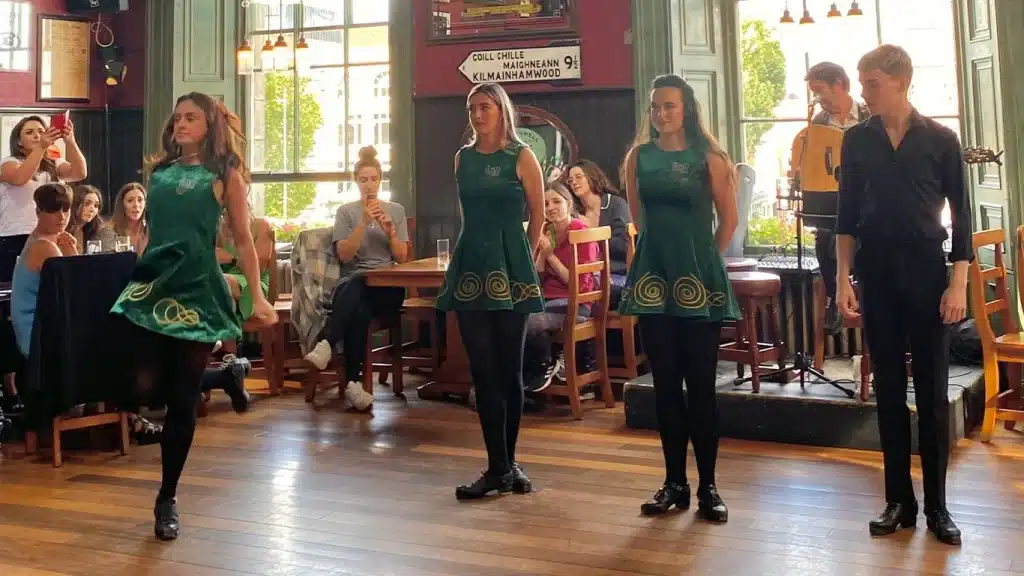
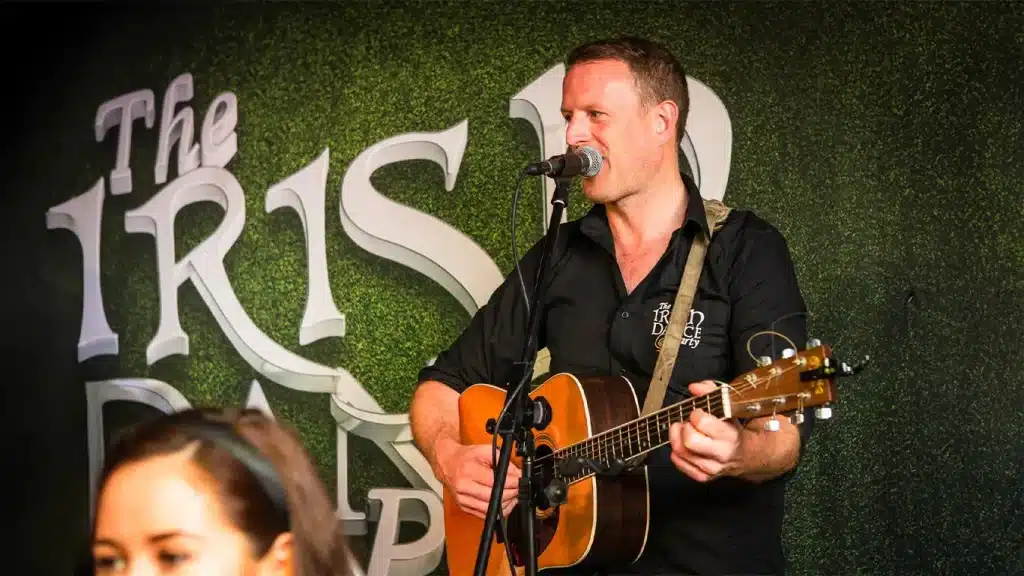
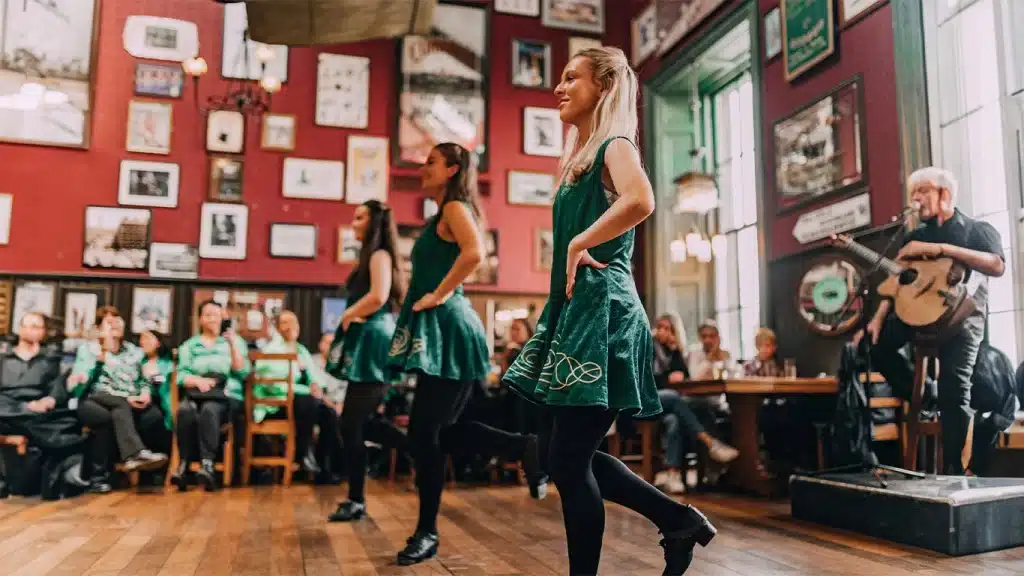
Created and operated by traditional Irish musicians and dancers, The Irish Dance Party combines live Irish music, professional dance performances, storytelling, and audience participation into a fun and engaging cultural experience. Guests can watch award-winning dancers perform before learning a few Irish dance steps themselves, creating the same sense of participation that makes Irish festivals so special.
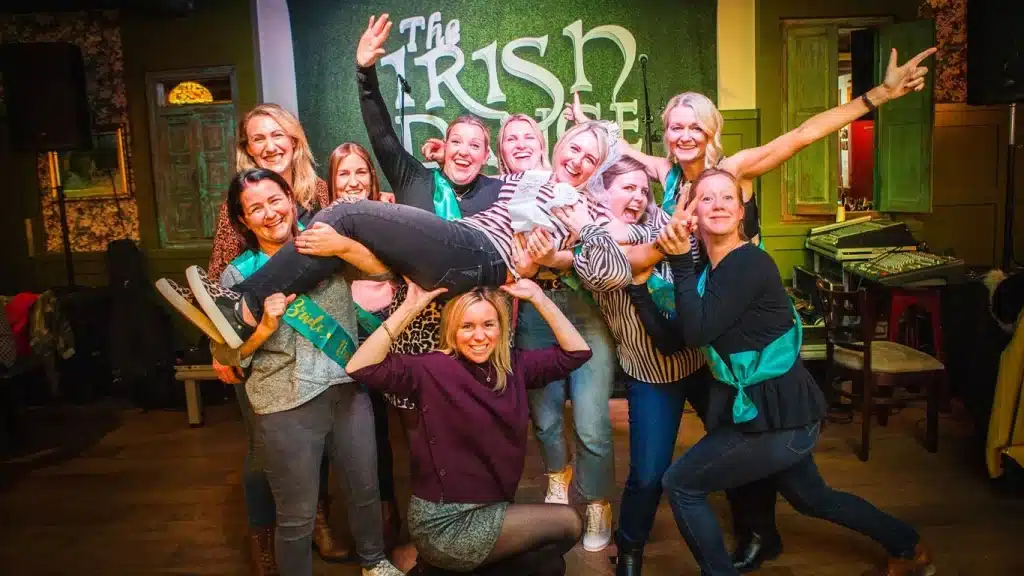
Located in Dublin’s city centre, the experience has become one of the city’s most popular cultural attractions. Visitors enjoy live music, Irish songs, traditional instruments, and interactive dance lessons in a welcoming atmosphere that reflects the warmth and energy of Irish celebrations.
In many ways, The Irish Dance Party offers a festival-like experience every day of the year, allowing visitors to connect with Irish culture through music, dance, and community.
Festivals Help Preserve Irish Identity
Ireland has experienced enormous social, economic, and technological changes over the past century.
Despite these changes, festivals continue to provide a connection to the country’s cultural roots.
They remind people of:
- Shared history
- Cultural values
- Community traditions
- Artistic heritage
- National identity
Festivals create spaces where Irish culture can evolve while remaining connected to its origins.
This balance between tradition and modernity is one reason Irish culture remains so vibrant and influential around the world.
The Economic Impact of Festivals
Beyond their cultural importance, festivals also contribute significantly to local economies.
Festivals support:
- Hotels
- Restaurants
- Pubs
- Tour operators
- Local shops
- Musicians
- Dancers
- Event organizers
Many communities depend on festivals to attract visitors and generate economic activity.
Cultural tourism has become an increasingly important part of Ireland’s economy, and festivals play a major role in encouraging visitors to explore different regions of the country.
This creates a positive cycle where cultural preservation and economic development support one another.
Festivals Create Lasting Memories
One reason festivals remain so popular is that they create experiences people never forget.
Years after attending a festival, people often remember:
- The music they heard
- The dances they learned
- The people they met
- The stories they shared
- The atmosphere they experienced
These memories become personal connections to Irish culture.
Whether someone attends a major festival, a local community celebration, or an interactive experience like The Irish Dance Party, they leave with a deeper understanding of what makes Ireland unique.
The Future of Irish Festivals
As Ireland continues to evolve, festivals will remain an essential part of cultural life.
New generations are finding innovative ways to celebrate Irish traditions while introducing fresh ideas and perspectives.
Technology may change how events are promoted and experienced, but the core purpose of festivals remains the same:
Bringing people together.
As long as communities continue to gather for music, dance, storytelling, and celebration, festivals will remain a cornerstone of Irish culture.
Conclusion
Festivals are important in Irish culture because they preserve traditions, strengthen communities, celebrate identity, and create unforgettable experiences.
They connect Ireland’s ancient past with its modern present while ensuring that music, dance, storytelling, and hospitality continue to thrive for future generations.
Whether experienced at a large cultural festival, a local community event, or through an immersive attraction like The Irish Dance Party in Dublin, festivals offer one of the most authentic and enjoyable ways to discover the true spirit of Ireland.
They are not simply events on a calendar. They are living celebrations of everything that makes Irish culture special.